What if Your Home Could Warn You Before a Gas Leak Turns Dangerous?
Imagine waking up to the smell of gas but not knowing where it’s coming from—or worse, not smelling it at all. Gas leaks can be silent threats, especially when you're asleep or away. But what if your home could sense danger before it escalates? Today, smart gas monitoring isn’t just for tech enthusiasts—it’s becoming a simple, life-protecting habit in ordinary homes, offering peace of mind you didn’t know you were missing. It’s not about turning your house into a futuristic fortress. It’s about giving you a quiet, reliable way to protect the people and moments you love most.
The Silent Risk in Every Kitchen
You don’t think about gas safety—until something goes wrong. That’s the truth for so many of us. We light the stove without a second thought, trust the pilot light to stay on, and assume the pipes behind the walls are doing their job. But gas leaks don’t always come with warning signs. Natural gas is often mixed with a sulfur-like odor to make it detectable, but that doesn’t mean it’s always noticeable—especially if you’re asleep, distracted, or have a cold. And carbon monoxide? That’s completely odorless, colorless, and tasteless. It can build up slowly while no one’s paying attention.
I remember talking to a friend, Maria, who came home from a long shift at the hospital and immediately caught a faint, unpleasant smell in her kitchen. Her son had been home alone after school, warming up leftovers. He turned on the burner but never lit it—just left the gas running. He didn’t smell anything. He didn’t feel dizzy. But the gas was filling the apartment. By the time she got home, the air was thick enough to notice. She opened windows, turned off the stove, and called her landlord. No one was hurt, but she told me, her voice still shaky, 'I kept thinking—what if I hadn’t come home when I did? What if we’d gone out to dinner instead?'
Stories like this aren’t rare. A forgotten burner. A loose connection on the gas line. A water heater with a failing pilot light. These are everyday risks in homes that otherwise feel completely safe. And the danger isn’t just fire or explosion—though that’s real. It’s also about long-term exposure to low levels of gas or carbon monoxide, which can cause headaches, fatigue, nausea, and even long-term health issues. For families with young children, older adults, or pets, the risks are even higher because they’re more vulnerable to air quality changes. The kitchen is the heart of the home, but it’s also one of the most overlooked spots when it comes to safety. We spend so much time making sure our food is healthy, our kids are safe at school, and our homes are clean. But are we really paying attention to the air we’re breathing?
How Technology Steps In—Without Taking Over
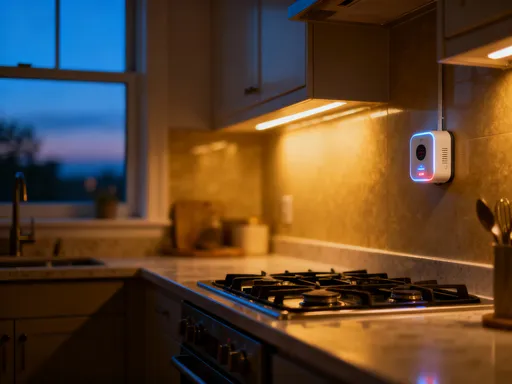
Here’s the good news: you don’t have to be a scientist or an engineer to protect your home. Modern gas detection technology is designed for real life—not for labs. Think of it like a quiet helper that’s always paying attention, even when you’re not. These small, unobtrusive devices sit on your wall or counter and do one important job: they continuously monitor the air for dangerous gases like natural gas and carbon monoxide. If they sense something’s off, they act fast. Some sound a loud alarm. Others send a message straight to your phone. And in more advanced systems, they can even shut off the gas supply automatically—stopping the leak at the source.
What’s amazing is how simple it’s become. You don’t need a degree in technology to set one up. Most devices are about the size of a smoke detector and install in minutes. They don’t require complicated wiring or professional help. Many just plug into an outlet or run on batteries. And they work quietly in the background, like a trusted neighbor keeping an eye on things. You go about your day—cooking, cleaning, running errands—while it watches over the air in your home.
And the best part? It’s not about replacing your instincts or making you paranoid. It’s about adding a layer of safety that gives you breathing room. You’ve already done so much to keep your family safe—childproofing cabinets, installing smoke alarms, checking expiration dates on food. This is just one more thing, quietly doing its job so you don’t have to worry about what you might miss. It’s not flashy. It doesn’t demand your attention. But when it matters most, it’s there—ready to alert you before a small mistake becomes a big danger.
Real Homes, Real Protection: A Day in the Life
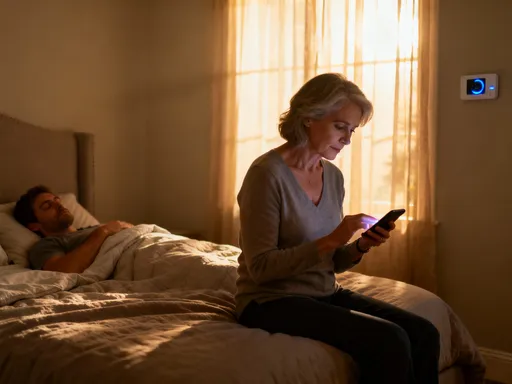
Let me tell you about Linda, a mom of two in Ohio. She’s busy—between school drop-offs, work deadlines, and soccer practice, her days are packed. One afternoon, she got a notification on her phone while sitting in a meeting: 'Gas detected in kitchen. Level: moderate.' Her heart dropped. She quickly stepped outside and called her husband. He was home and confirmed the stove had been left on low—her youngest had turned it on to warm soup but forgot to light it. The gas was seeping out slowly, not enough to smell right away, but enough for the detector to catch it.
'I didn’t smell anything,' she told me later. 'But the device did. I got the alert, he turned it off, and within minutes, the air was clear again. No drama. No emergency. Just a quiet heads-up that saved us from something we didn’t even know was happening.'
Then there’s James, who lives in Atlanta and checks in on his 78-year-old mom who lives alone. She’s sharp and independent, but he worries—especially when he’s traveling for work. He installed a smart gas detector in her kitchen last year. It connects to an app he can monitor from his phone. One weekend, while he was in Chicago, the system alerted him that carbon monoxide levels were rising. He called her immediately. She hadn’t noticed anything, but the detector showed the furnace pilot light had gone out. He walked her through turning off the gas and opening windows, then called a technician. 'It wasn’t an emergency by the time we acted,' he said, 'but it could’ve been. That little device gave me the time we needed.'
And then there’s the family who went on vacation. They left the house for ten days, confident everything was off. But a small leak developed in the gas line behind the dryer. The smart monitor detected it while they were gone and sent an alert to their phones. The husband called a neighbor, who came over and shut off the main valve. When they returned, the house was safe—no damage, no danger. 'We didn’t lose sleep,' he said. 'We didn’t come home to a crisis. We came home to peace of mind.'
These aren’t extreme cases. These are regular people, living regular lives, who simply added a small layer of protection. And in each case, the technology didn’t cause panic—it prevented it. It didn’t complicate life—it made it easier. It’s not about fear. It’s about freedom. Freedom to live fully, knowing that even when you’re distracted, tired, or away, your home is looking out for you.
Choosing What Fits—Without the Confusion
I know what you might be thinking: 'There are so many devices out there. How do I know which one is right for me?' It’s true—the market is full of options. But the good news is, you don’t need to be a tech expert to make a smart choice. The key is to focus on what matters most: reliability, ease of use, and peace of mind.
Start with the basics. There are standalone gas alarms—these are simple, affordable, and do one thing well: sound an alert if they detect gas. They’re great for renters or anyone who wants a quick upgrade to safety. Then there are smart detectors that connect to your home Wi-Fi and send alerts to your phone. These let you check in from anywhere—whether you’re at work, on vacation, or just in the next room. Some even integrate with voice assistants like Alexa or Google Home, so you can get a verbal alert or check status with a simple voice command.
If you want even more control, there are whole-home systems that can automatically shut off the gas supply when a leak is detected. These usually require a bit more setup and may need professional installation, but for many families, the extra protection is worth it. The important thing is to choose something that fits your lifestyle—not something that adds stress.
Ask yourself a few simple questions: Do I want to get alerts on my phone? Do I live alone or care for someone who might need remote monitoring? Am I comfortable installing it myself, or do I prefer professional help? Once you answer these, the choices become much clearer. And remember: you don’t need the most expensive model or the one with the most features. You need the one that works quietly, reliably, and fits into your life without hassle. Think of it like buying a good pair of shoes—you don’t need all the bells and whistles. You just need something comfortable, dependable, and right for your daily walk.
Installation Made Simple—No Expert Needed
Now, let’s talk about setup—because I know that’s where a lot of people hesitate. 'Will I need to hire someone? Do I have to drill holes? Is it going to take all afternoon?' The truth? Most smart gas detectors are designed to be installed in minutes, not hours. And no, you don’t need a technician.
Here’s how it usually works: you pick the right spot—usually within 10 feet of your gas appliances, like the stove or water heater, but not directly above the stove (heat and steam can interfere). You plug it in if it’s plug-in style, or mount it on the wall with the included hardware. Some models just sit on the counter. Then you download the app, connect the device to your Wi-Fi, and follow the simple setup steps. That’s it. Most people finish the whole process in less than 10 minutes—about the same time it takes to brew a pot of coffee.
I did mine while my toast was in the toaster. No tools. No stress. Just a few taps on my phone, and suddenly, my kitchen had a new guardian. The app walked me through each step, and within minutes, it was testing the sensors and confirming it was online. I even tested the alarm by using the app—just to make sure it worked. It was loud, clear, and impossible to miss. That gave me confidence.
And if you’re not tech-savvy? No problem. Most brands offer video guides, live chat support, or phone help. Some even have customer service teams that can walk you through setup in real time. You’re not alone in this. And once it’s up and running, maintenance is minimal—just a quick monthly test, like you do with your smoke alarms, and a battery check if needed. This isn’t about mastering new technology. It’s about making one small change that gives you big protection.
Beyond Alarms—How Smart Alerts Change Behavior
Here’s something I didn’t expect: after installing my gas detector, I started paying more attention to my habits. I double-check the stove now before I leave the house. I notice when the pilot light flickers. I’m more aware of how long the oven’s been on. It’s not because I’m anxious—it’s because I feel more in control. The device didn’t make me paranoid. It made me more mindful.
And I’m not alone. Many people report the same thing. Getting that first alert—even if it’s a false one—makes you more conscious of gas safety. You start closing the gas valve after use. You teach your kids to check the burners. You remind your partner to turn things off. These small changes add up. Over time, your whole household becomes more safety-aware, not because you’re scared, but because you care.
But the deeper impact is emotional. Knowing your home is watching out for you changes how you feel inside. You sleep better. You worry less. You’re not constantly wondering, 'Did I turn it off?' That low-level background anxiety—the kind that wears you down over time—starts to fade. And when you’re not carrying that invisible weight, you have more energy for the things that matter: playing with your kids, enjoying a quiet evening, or just breathing deeply in a safe, calm home.
One woman told me, 'Before, I used to walk into the kitchen and sniff the air when I got home. Now, I don’t have to. I trust the device. And that trust? It’s given me back a sense of calm I didn’t even know I’d lost.'
A Smarter Home, Not a More Complicated One
At the end of the day, this isn’t about turning your home into a high-tech showroom. It’s not about chasing the latest gadget or impressing the neighbors. It’s about using quiet, thoughtful technology to protect what matters most—your family, your home, your peace of mind. You’ve already done so much to create a safe, loving environment. This is just one more way to honor that effort.
Smart gas monitoring isn’t about fear. It’s about freedom. Freedom from worry. Freedom to live fully, without constantly looking over your shoulder. It’s about knowing that even when life gets busy, when you’re tired, or when something small slips through the cracks, your home has your back. It’s not magic. It’s not perfect. But it’s reliable. It’s simple. And it works.
So if you’ve been thinking about adding a layer of safety to your home, let this be the nudge you needed. You don’t have to do everything at once. Start with one device. Place it where it matters most. Set it up in the time it takes to make a cup of tea. And then, let it do its quiet work.
Because peace of mind isn’t a luxury. It’s a necessity. And sometimes, it comes in the form of a small device that watches over your home, so you can focus on living in it. That’s not just smart technology. That’s love in action.