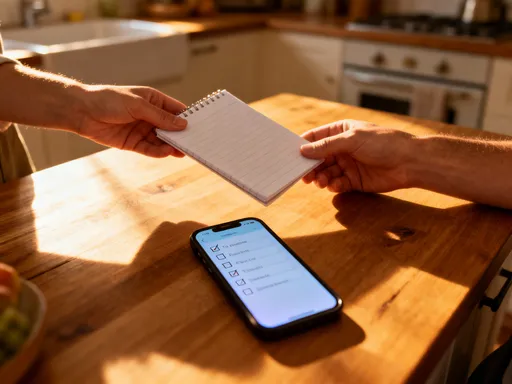
We’re not forgetting—just overwhelmed: How shared to-do lists keep our family on track
Remember that moment when your kid’s permission slip was due today, but no one remembered to pack it? Or dinner plans fell apart because three people assumed someone else was grocery shopping? We’ve all been there. It’s not about being irresponsible—it’s about being human. In our busy lives, even the people we love most can slip through the cracks. But what if a simple tool could help us stay connected, not just organized? That’s where family to-do lists quietly changed everything for us. Not with fanfare or complicated rules, but with quiet checkmarks, gentle reminders, and little digital notes that said, “I’ve got this.”
The Chaos Before the List: When "I’ll Remember" Became a Family Joke
There was a time when our family ran on memory, sticky notes, and good intentions. I’d scribble “buy milk” on a scrap of paper and stick it to the fridge. My partner would text “don’t forget the dentist appointment!” five minutes before we were supposed to leave. Our kids? They’d shout from upstairs, “Did someone pack my science project?!” while I stood in the kitchen, frozen, realizing no, no one had. We were all trying. We were all caring. But we were also drowning in the mental load of daily life—juggling work, school pickups, laundry, meals, and the hundred invisible tasks that keep a home running. And the truth is, none of us could hold it all.
The breaking point came on a rainy Tuesday. My daughter’s school play was that evening, and she needed her costume. I thought my husband had picked it up from the dry cleaner. He thought I had. Our son missed his math tutoring because I assumed his dad had driven him. And dinner? A last-minute scramble of frozen nuggets and canned peas. That night, sitting on the couch with a cold cup of tea, I looked at my family—tired, a little frazzled, and quietly disappointed—and realized something: we weren’t failing because we didn’t care. We were failing because we were trying to remember too much. Our love was never in question. Our systems were.
We weren’t lazy. We weren’t irresponsible. We were simply overwhelmed. And that’s when I started wondering—what if we didn’t have to remember everything? What if we could offload some of that mental clutter onto something that wouldn’t forget? That’s how our journey with shared to-do lists began—not with a tech obsession, but with a desperate need for peace.
Why a To-Do List Isn’t Just a Chore Tracker—It’s a Connection Tool
At first, I thought a shared to-do list would just help us stop missing grocery items or forgetting homework. I downloaded a simple app, created a family group, and added tasks like “Buy bread” and “Sign permission slip.” But something unexpected happened. I started noticing things. Like how my husband added “Replace lightbulb in hallway” and checked it off at 8 p.m. on a Wednesday. Or how my teenage daughter quietly added “Help Mom carry groceries” after seeing me struggle with the bags. These weren’t grand gestures. But seeing them in writing? It made me feel seen.
That’s when I realized: this list wasn’t just about chores. It was about visibility. When we could all see what each person was doing—even the small things—we stopped taking each other for granted. My son used to roll his eyes when I reminded him to take out the trash. But when the task appeared on his phone with a little notification, and he tapped “Done,” I’d reply with a simple “Thanks, sweetie.” No nagging. Just acknowledgment. And slowly, he started doing it without being asked. Not because the app magically changed him—but because he felt part of something. He wasn’t just following orders; he was contributing to a shared life.
There’s a quiet kind of love in these digital checkmarks. When I saw “Buy Mom’s favorite chocolate” on the list—added by my daughter, completed by my husband—I didn’t just feel organized. I felt cherished. The list became a mirror of our care. It didn’t replace conversation, but it deepened it. We started talking more—not about what was left undone, but about what had been done. “You took the dog to the vet?” “Yeah, I saw it on the list and had time this morning.” These small exchanges built a new rhythm in our home: one of appreciation, not resentment.
Tracking Learning Without Pressure: How Small Tasks Build Big Progress
As parents, we want our kids to grow up capable, responsible, and confident. But sometimes, in our effort to support them, we end up doing too much. I used to pack my daughter’s lunch every night, remind her about her library books, and even double-check her backpack for her violin. I thought I was helping. But over time, I realized I was robbing her of the chance to learn. She wasn’t failing—she just hadn’t had the space to practice independence.
That changed when we added personal tasks to the family list. Simple things at first: “Pack your lunch,” “Bring gym clothes,” “Feed the cat.” I didn’t expect perfection. What I did expect was growth. And what I got was something even better: progress I could actually see. One week, she forgot her water bottle. The next, she remembered it three days in a row. I didn’t praise her like she’d won a medal—just a quiet “Nice job remembering your bottle!” But I could see her shoulders straighten a little. She was learning, not from my lectures, but from doing.
The shared list became a gentle teacher. It didn’t scold when something was missed. It just waited—calm, neutral, and ready for the next try. And because the tasks were visible and consistent, my kids started to internalize routines. My son began checking the list every morning before school. “Just making sure I didn’t miss anything,” he’d say. That small habit—self-monitoring, responsibility, awareness—was exactly what I’d hoped for. And the best part? I didn’t have to be the bad guy anymore. I wasn’t the nagging mom. I was just… Mom. Available, supportive, and no longer drowning in reminders.
Building Routines That Stick—Without the Nagging
Let’s be honest: no one likes being reminded. Especially not teenagers. I used to say, “Did you clean your room?” at least three times a week. And I always got the same response: “I will!” followed by silence. It wasn’t defiance. It was just… life. Kids are busy. Their brains are still learning how to plan and prioritize. But repeating myself made me feel like a broken record—and made them tune me out even more.
When we moved those reminders to the shared list, something shifted. Suddenly, the request wasn’t coming from me—it was coming from the system. “Clean room” appeared with a due date of Friday night. No yelling. No tension. Just a quiet nudge on their phone. And you know what? They started doing it. Not always on time. Not always perfectly. But more often than before. And when they checked it off, they got that little burst of satisfaction—the same one we all feel when we cross something off a list.
What I didn’t expect was how much it changed my role as a parent. I wasn’t the taskmaster anymore. I was the supporter. Instead of “Why haven’t you done this?”, I could say, “I saw you finished your chores—great job!” That small shift in language—and power—made a big difference. The list took the pressure off both of us. They weren’t being policed. I wasn’t being resentful. We were just moving through our week, one checkmark at a time. Over time, the routines became habits. The habits became second nature. And the nagging? It faded into memory.
The Unexpected Emotional Payoff: Feeling Connected in the Everyday
The real magic of our shared list didn’t show up in clean rooms or packed lunches. It showed up in the little notes. A simple “Good luck on your test!” added to my daughter’s morning checklist. A “You’ve got this, Dad!” before my husband’s big work presentation. Even a “Make Dad’s coffee” task that my son completed—without being asked—on a Saturday morning. These weren’t chores. They were quiet acts of love, wrapped in the format of a to-do list.
I started leaving little affirmations too. “Proud of you for finishing your project.” “You’re doing such a great job.” At first, I worried it might feel silly. But my kids noticed. My daughter told me she reads her list every morning—and that seeing those messages gives her a boost before school. My son, usually quiet about feelings, said, “It’s kind of nice knowing someone’s got your back.”
That’s when it hit me: the list wasn’t just organizing our time. It was nurturing our relationships. In the busiest weeks—when we barely had time to eat dinner together—it became a place where we could still show up for each other. A completed task wasn’t just about responsibility. It was a silent “I care.” A shared list item like “Watch Mom’s favorite show together” turned into a cozy Friday night ritual. These small digital gestures created a thread of warmth that ran through our days, even when we were pulled in different directions.
Making It Work for Your Family: A Simple Setup That Actually Sticks
You don’t need a fancy app or a tech degree to make this work. We started with a free, easy-to-use platform that lets us create shared lists, assign tasks, and set reminders. Nothing complicated. We made categories: Home, School, Personal, and Family Fun. That way, a grocery list doesn’t get lost under “Fix bathroom faucet,” and a birthday reminder doesn’t get buried under “Pay electricity bill.”
Each person has their own view, but we can all see the shared lists. Tasks can be assigned with due dates, and when someone finishes one, it’s marked with a check. We also added a “Family Notes” section—just a space for little messages, jokes, or plans. Every night, we spend about five minutes going over the next day’s list. It’s become our new bedtime ritual—calm, connecting, and grounding.
The key? Keep it simple. Don’t try to track everything at once. Start with three or four recurring tasks—like taking out the trash, packing lunches, or grocery shopping. Let your family get used to the rhythm. Be kind when things are missed. The goal isn’t perfection. It’s progress. And if a task doesn’t get done? No drama. Just reschedule it or talk about why it slipped. The system works best when it feels helpful, not punitive.
Also, let your kids help shape it. My daughter wanted a “Self-Care Saturday” task that reminds her to do a face mask and read. My son added “Practice guitar” with a weekly goal. When they feel ownership, they’re more likely to engage. And remember: this isn’t about control. It’s about collaboration. The list is a tool, not a rulebook. Flexibility is everything.
More Than a List: How Small Tech Habits Shape a Calmer, Closer Family Life
Three years ago, I never would have guessed that a simple to-do list could change the emotional climate of our home. But it did. The constant low-level stress of forgetting, the guilt of missed moments, the friction of miscommunication—it all softened. We still have busy days. We still have off days. But we also have a system that helps us show up for each other, even when life gets loud.
That permission slip? It’s on the list now. The grocery shopping? Assigned and confirmed. The birthday cards? Scheduled two weeks in advance. But more than that—we’re more present. I’m not mentally scanning my memory for what I might have missed. I’m free to listen when my daughter tells me about her day. I’m calm enough to laugh when my son tells a terrible joke at dinner. I’m connected, not because we’re doing more together, but because we’re living more peacefully.
Technology often gets a bad rap—like it’s pulling us apart, one screen at a time. But used with intention, it can do the opposite. Our shared list isn’t just a digital chore board. It’s a quiet promise: I see you. I’ve got your back. We’re in this together. It’s a small habit, yes. But sometimes, the smallest tools create the biggest changes. Not because they’re flashy or high-tech, but because they help us live with a little more care, a little more ease, and a lot more love. And isn’t that what family is really about?