More than recipes: How voice journals helped us understand our family’s eating habits
Have you ever noticed how what we eat ties back to memories, emotions, or even family traditions? I didn’t either—until I started recording simple mealtime conversations with my parents and kids. What began as a way to preserve stories quietly revealed patterns in our eating choices. Over time, those voice notes didn’t just capture laughter and kitchen chaos—they showed us why we reach for certain foods, how habits form across generations, and where small changes could make a real difference. It wasn’t about calories or diets. It was about understanding.
The Meal That Made Me Pause
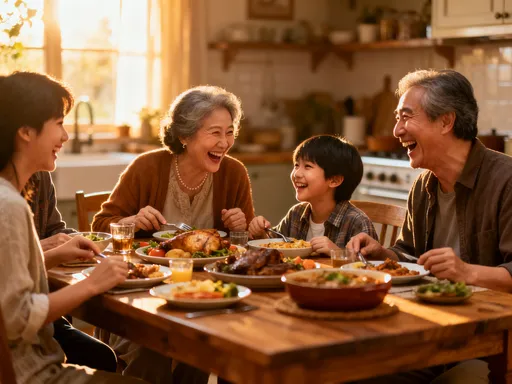
It was a Wednesday evening, nothing special. We were gathered around the table—my daughter piling mashed potatoes onto her plate, my mom passing the green beans, my son arguing over the last roll. Then I saw it: my daughter reaching for the peanut butter cookies, the kind my grandmother used to make every Sunday after church. I hadn’t even realized we still had them in the house. When I asked why she picked those, she just shrugged. “They taste like home,” she said.
That moment stopped me. It wasn’t just about liking a cookie. It was about connection, comfort, something deeper than flavor. I started thinking: how many of our food choices are actually echoes of someone else’s routine? My mom’s habit of eating toast before bed—was that just preference, or did it come from growing up during a time when dinner wasn’t always guaranteed? My brother’s love of meatloaf—was it the taste, or the memory of his dad serving it after long workweeks?
I realized we were all carrying around invisible recipes—not just for dishes, but for emotions. And no diet app, no food tracker, was going to capture that. They could tell me how much sugar was in the cookie, but not why it felt like safety. That’s when I decided to try something different: instead of tracking what we ate, I’d start listening to how we talked about it.
When Stories Reveal What Numbers Can’t
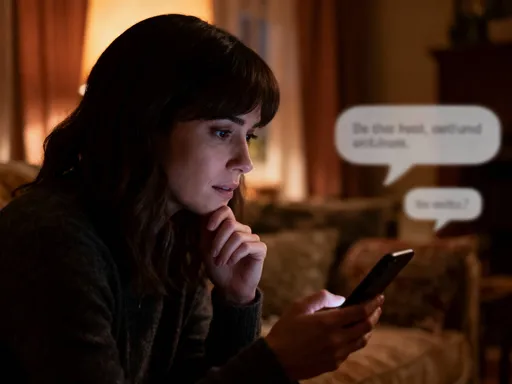
We’ve all tried the trackers. I’ve logged meals, counted macros, stared at pie charts showing my carb intake. But something always felt missing. One night, after a tense day at work, I opened the fridge and ate half a cake without really tasting it. The next morning, the app told me I’d gone over my sugar limit. What it didn’t say was: I was lonely. I was overwhelmed. I wanted to feel taken care of.
So I started recording short voice notes after dinner. Just 30 seconds. “Tonight we had soup. It reminded me of when I was sick as a kid and Mom would sit with me.” Or: “I ate three slices of bread because I didn’t have time to eat all day and I was starving.” No rules, no script. Just honesty.
What surprised me was how quickly these little clips began to paint a fuller picture. My son recorded, “I only like eating when we’re all together. If it’s quiet, I don’t feel like finishing.” That broke my heart a little. I had no idea his eating was tied to feeling safe. My sister sent one from her kitchen: “I made lasagna tonight, but I only ate one bite. I feel guilty when I enjoy food too much.” That one stayed with me. We weren’t just tracking habits—we were uncovering wounds, quiet fears, unspoken rules passed down like old recipes.
The numbers had never shown me that. But the voices did. And once we could hear the why, the what started to shift on its own.
Turning Memory into a Tool for Health
We turned our voice notes into a shared family journal. Nothing fancy—just a private folder in a simple audio app, the kind you can download for free. We named it “Our Table, Our Voices.” Every few days, someone would add a clip. Sometimes it was during dinner, sometimes after. “This stew tastes like Grandpa,” my brother said in one. “He used to say food should warm you from the inside.”
At first, it felt awkward. My dad said, “I don’t know what to say. I just eat.” But I told him, “Say anything. Even if it’s just, ‘I liked the rice.’” And slowly, he did. Then one night, he shared how his mom would stretch one chicken for three meals because money was tight. That’s why he still hates wasting food—even if it means eating when he’s not hungry.
Listening back, we started to see patterns. How stress sent me straight to the pantry. How my daughter reached for sweets when she was bored. How my mom always served herself last, like she didn’t deserve to eat with the rest of us. These weren’t flaws. They were survival strategies, shaped by time, love, and sometimes lack.
The real power wasn’t in fixing anything right away. It was in naming it. Once we could say, “Oh, that’s why I do that,” it became easier to choose differently—not because we were failing, but because we were learning. The app didn’t give us answers. It gave us space—to reflect, to connect, to remember.
Bridging Generations Through Voice
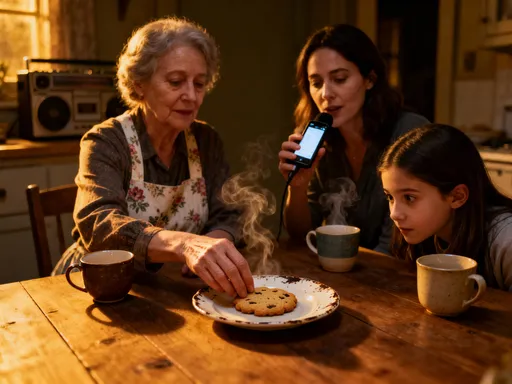
My mom was the hardest to convince. “I don’t have anything important to say,” she kept repeating. But one evening, after we’d made her famous apple pie together, I asked her to record just one thing—how she learned to make it. She hesitated, then whispered into the phone, “My mother used to say, ‘If the crust cracks, just patch it. No one will remember the cracks. They’ll remember the taste.’”
That one sentence opened a floodgate. She started sharing how sugar was rationed when she was a kid, how desserts were only for birthdays, how she learned to feel guilty for wanting more. Now, she confessed, she overcompensates—baking every weekend, insisting everyone take seconds. “I never want my kids to feel deprived like I did,” she said.
Hearing that changed everything. I finally understood why she pushed food on us, even when we were full. It wasn’t about control. It was about love. And when I played that clip for my daughter, she said, “Now I get why Grandma always makes so much. She’s trying to take care of us.”
My son, too, began sharing. He recorded how pizza nights were his favorite because that’s when we’d laugh the most. “When we eat together, I feel like everything’s okay,” he said. That simple line made me realize how much our meals were doing beyond feeding bodies—they were building emotional safety.
These recordings became a bridge. Not just between past and present, but between hearts. We weren’t just hearing words. We were hearing intention, history, care. And in that listening, we found forgiveness—for ourselves, for each other, for the ways we’d misunderstood.
How to Start Your Own Family Voice Journal (Without the Stress)
You don’t need special equipment. No fancy microphones, no subscription. We used a free voice recording app—something simple and private. The key isn’t the tech. It’s the intention.
Start small. One recording per week, even if it’s just 20 seconds. Choose a quiet moment—after dinner, during cleanup, or while sipping tea. Invite everyone, but don’t force it. Let it feel natural. You might say, “Let’s just share one thing about tonight’s meal. What did it remind you of? Who taught you how to make it? How did it feel to eat together?”
Keep the tone light. This isn’t an interview. It’s a conversation. My nephew once recorded, “I liked the tacos because they were spicy, like my dog’s breath.” We all laughed. That’s part of it too—joy, silliness, real life.
Store the files in a shared folder, or use a cloud backup so they don’t get lost. Give it a name that feels warm—“Kitchen Talks,” “Our Food Stories,” “Family Bites.” Over time, you’ll build a collection. And when you listen back, don’t judge. Just listen. Notice patterns. Celebrate the memories. Let the understanding grow slowly.
The beauty is in the imperfection. A child’s muffled voice through a mouthful of food. A grandparent’s shaky tone remembering a lost recipe. These aren’t polished stories. They’re real. And that’s what makes them powerful.
The Quiet Shift: From Awareness to Change
We never set goals. No “eat less sugar” or “cook more vegetables.” But changes happened anyway—quietly, gently, like seasons shifting.
My brother started making his dad’s old stew recipe again—something he hadn’t cooked since the funeral. But this time, he used less salt and added more vegetables. “I want to keep the memory,” he said, “but I also want to feel good after eating it.” That balance—honor and health—felt like real progress.
I noticed I was reaching for snacks late at night when I was stressed. Instead of scolding myself, I asked, “What do I really need?” More often than not, it was rest, or a few minutes of quiet. So I started making tea instead—just like my mom did. Not to replace the habit, but to honor the need behind it.
My daughter began asking to help cook more. “If I make it, I feel like it’s mine,” she said. So we started weekend cooking together—simple things, no pressure. And slowly, she started trying new foods, not because we told her to, but because she felt connected to them.
The changes weren’t dramatic. No weight loss charts, no before-and-after photos. But there was a lightness. A sense of peace around food. We weren’t fighting our habits anymore. We were understanding them. And in that understanding, we found freedom—to choose, to adapt, to care for ourselves without guilt.
Why This Isn’t Just About Food
This practice changed more than our plates. It changed how we listen. How we show up for each other. We’re more patient now. More curious. Less quick to judge when someone eats “too much” or skips a meal. Because we’ve learned that food is rarely just about hunger.
Technology often pulls us apart—phones at the table, screens replacing conversation. But used this way, it brought us closer. The voice journal didn’t distract us. It helped us remember. It gave us a way to slow down, to reflect, to say, “I see you. I hear you. I remember this, too.”
It became a mirror—showing us who we are. A time capsule—holding voices we never want to forget. And a bridge—connecting generations through the simple act of sharing a meal and speaking from the heart.
In a world that’s always rushing, always optimizing, always demanding more—we found something rare. Not perfection. Not control. But understanding. One voice, one meal, one memory at a time. And maybe, just maybe, that’s the most nourishing thing of all.