Cut My Group Hangout Planning Time by 90% — Here’s the App That Finally Solved It
Remember that group chat that never ends? “Where to eat?” “What time?” “Who’s in?” — it drains the joy right out of hanging out. I used to spend hours coordinating weekend plans with friends, only to end up exhausted before we even met. Then I found a simple trick that changed everything. Now, we’re making decisions in minutes, not days. This isn’t about fancy tech — it’s about getting your time and peace back. Let me show you how.
The Endless Group Chat That Almost Killed Our Weekend Vibe
There was this one Saturday — I’ll never forget it — when I tried to organize brunch with five of my closest friends. It started innocently enough: a cheerful message at 10 a.m., “Who’s up for pancakes?” By noon, the chat had turned into a battlefield of emojis, half-sentences, and passive-aggressive checkmarks. “I’m down!” someone said. Then silence for three hours. Another chimed in: “Only if it’s not that noisy place again.” Someone else replied, “Can’t do before 1, gotta take the dog to the park.” And just like that, what should’ve been a five-minute decision stretched into five hours of mental gymnastics.
I kept checking my phone, adjusting my schedule, playing referee between conflicting preferences. Was I overthinking it? Maybe. But honestly, it didn’t feel like planning fun — it felt like managing a small crisis. And I wasn’t alone. Later, one friend admitted she’d almost stopped suggesting meetups because she dreaded the back-and-forth. Another said she often pretended to be busy just to avoid the decision fatigue. That hit me hard. Our friendships weren’t fading because we didn’t care — they were fading because the simplest thing, getting together, had become too much work.
This isn’t just about brunch. It’s about how something as joyful as spending time with people we love gets buried under layers of logistics. The truth is, organizing a group isn’t just scheduling — it’s emotional labor. You’re reading tones, managing egos, accommodating invisible needs, and trying not to offend anyone. And when you’re the one who always sends the first message, it starts to feel like a chore, not a choice. I began to wonder: why does connecting with friends have to feel so complicated?
Why Picking a Place Feels Like a Group Therapy Session
Let’s be honest — choosing a restaurant isn’t really about the food. It’s about identity, comfort, and unspoken rules. When someone says, “I just want somewhere quiet,” what they might really mean is, “I’ve had a rough week and I need to feel seen.” When another friend insists on vegan options, it’s not just dietary — it’s values. And when someone’s always late? That’s not just bad time management; it might be anxiety, or a packed schedule, or simply feeling disconnected from the group rhythm.
What looks like indecision is often self-protection. We don’t want to impose. We don’t want to be the one who suggests something no one likes. We’ve all been burned before — remember that sushi place half the group hated but no one spoke up until after the bill? That silence creates guilt, and guilt builds walls. So instead of risking it, we say, “I’m good with anything,” which sounds sweet but actually makes everything harder. Because “anything” means everyone has to guess, and guessing leads to more messages, more options, more stress.
Decision fatigue is real, and it’s sneaky. Every “What do you want?” zaps a little energy. Multiply that by six people, and you’ve burned through your mental reserves before the weekend even starts. And here’s the saddest part: the people who care the most — the ones who keep the group alive — end up paying the highest price. They become the unofficial coordinators, the peacekeepers, the ones who absorb everyone’s preferences and try to balance them like a spinning plate act. I was that person. And I was exhausted.
Eventually, I realized we weren’t failing at friendship — we were failing at logistics. We had no system, no rhythm, no way to make choices together without tension. And so, we started meeting less. Birthdays were acknowledged with a text. Weekend plans fizzled by Tuesday. The group chat, once buzzing with laughter and photos, turned into a graveyard of unanswered questions. That’s when I knew something had to change — not because I wanted perfect plans, but because I missed us.
How Local Life Apps Quiet the Noise (Without Killing the Fun)
I wasn’t looking for a miracle. I just wanted a way to cut through the noise. That’s when I discovered apps designed not to replace conversation, but to streamline it. These aren’t flashy social networks or dating tools — they’re practical, quiet helpers that live in the background of real life. Think of them like a good host: they don’t take over the party, but they make sure everyone knows where to sit, what’s being served, and when to show up.
One of the most powerful features is location-based polling. Instead of typing out five restaurant names and waiting for replies, you can drop a pin on a map and say, “Here are three options nearby — vote by 5 p.m.” Everyone sees the same choices, responds in one tap, and the app tallies the results automatically. No more “I didn’t see that message” or “I thought you meant tomorrow.” It’s clear, fair, and fast.
Another game-changer is real-time availability sharing. Some apps let you share your calendar — not the detailed version, just a simple “free” or “busy” status. So when someone says, “I can do this weekend,” you can actually see which hours work for most people. No more guessing. No more double-booking. It removes the need for follow-up messages like “Wait, are you sure you’re free at 2?” because the answer is already there.
And then there are smart suggestion engines — not AI that tries to read your mind, but simple tools that learn from your habits. If your group always picks cozy cafes over loud bars, the app starts showing more of what you like. If three people mark a place as “favorite,” it floats to the top. It’s not magic; it’s memory. It remembers what you’ve enjoyed before and uses that to make the next decision easier.
The best part? These tools don’t require everyone to change. You don’t need a tech expert in the group. You don’t need to download five different apps. One person starts, and the rest follow because it just… works. It’s like finally having a shared language for planning — one that doesn’t rely on reading between the lines or remembering who hates cilantro.
The One Tool That Got Us Out the Door in Under 10 Minutes
The app that changed everything for us is simple: it combines polling, location sharing, and group messaging in one clean space. No clutter. No ads. Just a clear way to make decisions together. Here’s how it worked the last time we planned brunch — and yes, it really took under ten minutes.
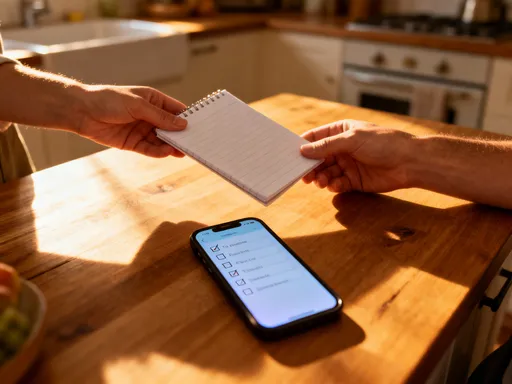
It was a Friday night. I opened the app and tapped “Start a plan.” I typed: “Saturday brunch — let’s vote!” Then I added three spots within 15 minutes of everyone’s homes: a farm-to-table diner, a cozy bakery, and a new waterfront spot with outdoor seating. I set a deadline: “Vote by 9 a.m. tomorrow.” I hit send, and the message went to our group with a little voting panel attached.
By 8:45 a.m. the next morning, four of us had voted. The bakery won by two votes. The app showed the result automatically, and a confirmation message popped up: “Brunch at The Sunny Oven — 11:30 a.m. Who’s driving?” One friend replied, “I’m closest — I’ll grab parking info.” Another said, “I’ll bring my mom’s famous cinnamon butter.” Just like that, we were set.
No endless scrolling. No guilt for not replying fast enough. No one felt ignored. And I — the usual planner — didn’t have to chase anyone. The system did the work. That day, we laughed over avocado toast and shared stories about our kids, our jobs, our dreams. No one mentioned the app. But I knew — this lightness, this ease, was because we hadn’t spent the morning drained by logistics.
What made it work wasn’t the technology — it was the design. The app didn’t ask us to do more. It asked us to do less. One tap to vote. One screen to see the plan. No pressure, no politics. It treated our time as valuable — and that made all the difference.
Making It Work for Your Crew — A Simple 3-Step Routine
You don’t need a tech overhaul to make this work. All it takes is a small shift in how you approach planning. Here’s the three-step routine we use — and honestly, it’s so simple, you’ll wonder why you didn’t try it sooner.
Step one: Set a decision deadline. This is crucial. Without a cutoff, people assume there’s always time to reply — so they don’t. But when you say, “Vote by 9 a.m.,” it creates gentle urgency. It’s not harsh — it’s respectful. It says, “I value your input, and I also value our time together.” We’ve found that 12 to 24 hours is enough for most plans. For bigger events, like a weekend trip, we give 48.
Step two: Use shared polls. Instead of listing options in a chat, use the app’s voting feature. Add 2–3 real choices — not ten, not one. Too many overwhelm; too few feel like a trick. And make sure the options are fair. If someone’s gluten-free, include a place that works for them. If another friend hates crowds, offer a quieter alternative. The goal isn’t to please everyone — it’s to include everyone.
Step three: Assign a “decider” only when needed. We used to avoid this — someone always had to make the final call, and it felt unfair. But now, we rotate. If the vote is tied, or if no one responds in time, the person who started the plan makes the call — no apologies, no guilt. We call it “the tiebreaker rule,” and it’s been a game-changer. It removes the pressure to get 100% consensus, which, let’s face it, is impossible with six adults.
I’ll show you a real example. Here’s a snippet from our old chat: “How about Luigi’s?” “I can’t do Italian.” “What about that burger place?” “Too noisy.” “Sushi?” “I’m allergic.” “Maybe just coffee?” “I wanted food.” And on and on. Now? Same group, same preferences — but the message says: “Brunch poll open — vote by 9 a.m. Options: The Sunny Oven (bakery), Green Plate (vegan-friendly), Harbor View (outdoor seating). Can’t wait to see you!” The difference isn’t the people — it’s the process.
Beyond Food: Using This for Trips, Gifts, and Real-Life Moments
Once we got comfortable with the system, we started using it for more than just meals. Our first test was a weekend getaway. Instead of a month of “Maybe… if the weather’s good,” we created a shared plan with three destination options: a lakeside cabin, a mountain lodge, and a coastal town. We voted. The lake won. We booked it — all within 48 hours. No drama. No resentment. Just excitement.
We’ve used it for birthday surprises too. One friend’s milestone was coming up, and we didn’t want the usual “Let’s do dinner” routine. So we created a private group, added three gift ideas — a spa day, a cooking class, a weekend stay — and let her closest friends vote. The cooking class won. We booked it, arranged carpools, and even coordinated a group card — all inside the app. When she opened the gift, she cried. Not just because of the experience, but because she felt so loved. And we all did — because we’d made it happen without a single argument.
Even splitting bills has gotten easier. After a group dinner, someone takes a photo of the check, and the app divides it automatically based on what each person ordered. No more awkward math or “Wait, did I pay last time?” It’s small, but it removes one more friction point — and those little tensions? They add up.
What we’ve learned is that faster decisions don’t mean shallower connections — they mean more energy for what matters. When we’re not exhausted by planning, we’re more present when we finally meet. We laugh louder. We listen better. We stay later. The app didn’t create our bond — we did. But it gave us back the time and peace to nurture it.
Reclaiming Time, One Hangout at a Time
This journey wasn’t about finding the perfect tool. It was about reclaiming something precious: time. Not just hours on a calendar, but mental space, emotional energy, the quiet joy of showing up without carrying the weight of everyone else’s preferences. I used to think being a good friend meant being the one who always organized, who remembered the details, who smoothed the edges. Now I know being a good friend means creating space for connection — and sometimes, that means stepping back and letting a little tech do the heavy lifting.
Our group feels lighter now. We meet more often. We suggest plans without dread. We’ve even started a monthly “no-agenda” coffee date — just show up, no voting, no pressure. That kind of spontaneity felt impossible before. But when the logistics shrink, life expands. We’re not just surviving friendship — we’re enjoying it again.
If you’re tired of the endless chat, if you’ve stopped suggesting meetups because it feels like too much work, I want you to know: it doesn’t have to be this hard. You don’t need to be a tech expert. You don’t need to convince everyone at once. Just try one small change. Start a poll. Set a deadline. Let the app hold the details so you can hold the moment.
Because the best memories aren’t made in perfect plans — they’re made in shared laughter, in late-night talks, in the way someone hands you the last croissant without being asked. And those moments? They’re worth protecting. So take back your time. Let the tools help. And go enjoy your people — the way you always meant to.