Tracked 37 Subscriptions in One Evening: The Tool That Saved Me $400 a Year
Have you ever looked at your monthly bills and asked, "Where did all that money go?" I did—until I realized I was paying for nearly 40 subscriptions I barely used. Sound familiar? I felt overwhelmed, but one simple tool helped me reclaim control. It didn’t take hours or tech skills—just a quiet evening and a smart approach. This isn’t about cutting out joy; it’s about keeping what matters and ditching the rest. Let me show you how.
The Quiet Drain: How Subscriptions Slowly Take Over Your Budget
We’ve all been there—sipping coffee on a Saturday morning, scrolling through our bank statement, and suddenly seeing a charge for something like $9.99 labeled "AppStore" or "Digital Services." You pause. What was that for? Was it that meditation app you tried for three days last January? Or the meal-planning service you signed up for during a busy week and forgot to cancel? It’s not a huge amount, but then you see another. And another. Before you know it, there are over a dozen small charges—each one easy to ignore, each one feeling too small to matter. But here’s the truth: those little amounts are not so little when they add up.
Over the past few years, I didn’t think much about subscriptions. They felt harmless. A free trial here, a discounted first month there—what’s the harm, right? I told myself I’d cancel later. But “later” never came. Auto-renewals quietly pulled money from my account every month, and I barely noticed. Some were for apps I used once. Others were duplicates—like paying for two different photo editing tools because I forgot I already had one. And some? I didn’t even remember signing up for them. That’s how it happens. It’s not one big expense. It’s a slow, silent leak in your financial bucket.
What makes this so tricky is that we don’t feel guilty right away. There’s no single bill that shocks us. Instead, it’s a collection of tiny decisions that snowball over time. We sign up with good intentions—maybe to get fit, learn a language, or organize our homes. But life gets busy. We lose focus. And the subscription stays, quietly charging us, feeding on our inertia. I didn’t realize how much this was affecting me until I sat down and added it all up. The total? Over $400 a year—money I could have spent on a family weekend, new kitchen tools, or even just saved for peace of mind. That’s when I knew something had to change.
The Eye-Opening Moment: My Night of Subscription Discovery
It started on a quiet Thursday evening. My kids were asleep, the house was calm, and I had a cup of chamomile tea in hand. I wasn’t planning to do anything big—just check my bank account to confirm a payment. But then I saw it again: that familiar pattern of small, recurring charges. This time, something clicked. I thought, What if I just… looked at all of them? Really looked? So I opened a blank document and started listing every subscription I could remember. Netflix. Spotify. A cloud storage service. A fitness app I downloaded during a New Year’s resolution. That was five. Then I checked my bank history. And kept going.
Within an hour, I had 37 subscriptions written down. Thirty-seven. I stared at the screen, stunned. Some were active. Some were expired but had renewed without my noticing. Others were free trials that had turned into paid plans. I found two different language-learning apps—one I used daily, the other I’d opened once and forgotten. I was paying for a digital magazine I never read and a recipe app I didn’t even like. The guilt hit me fast. How could I have let this happen? But then, slowly, a different feeling rose: relief. Because for the first time, I could see it. I wasn’t just guessing or feeling bad—I had a clear picture. And with that clarity came power. I wasn’t out of control. I just hadn’t been paying attention.
That night didn’t end with me canceling everything. It ended with me saving that document and promising myself I’d take action the next day. But the real shift happened in that moment of awareness. It wasn’t about being perfect or frugal. It was about being intentional. I realized I didn’t need to punish myself for the past. I just needed to make better choices moving forward. And the first step? Using a tool that could help me track, manage, and understand what I was actually paying for.
Finding the Right Tool: Why Most Apps Don’t Help (and One That Does)
When I decided to get serious about managing my subscriptions, I assumed there’d be a simple app for that. I mean, we live in a digital world—surely someone had solved this problem, right? So I started searching. I downloaded a few free budgeting apps, tried a couple of finance trackers, even looked into built-in tools on my phone. But most of them were either too basic or way too complicated. Some only showed bank transactions without labeling them clearly. Others required me to manually enter every subscription—fine if you have five, impossible if you have thirty-seven.
One app promised to track everything but kept asking for passwords to my streaming accounts—no thank you. I wasn’t about to hand over my Netflix login to an app I’d just downloaded. Another one was full of ads and pop-ups, making me wonder if I was trading one kind of clutter for another. I was about to give up when a friend mentioned a tool she’d been using for over a year. She said it linked securely to her bank account, automatically found subscriptions, and sent her alerts before renewals. Best of all? It didn’t feel like doing my taxes. It felt like having a smart, quiet helper in the background.
I decided to try it. Setting it up took less than ten minutes. I connected it to my bank using secure login—no password sharing, just a standard verification process, like when you link your account to online banking. Within minutes, it scanned my transaction history and flagged every recurring charge. It grouped them by category—entertainment, fitness, software, shopping—and even gave me a timeline of when each was set to renew. I could see at a glance how much I was spending per month and per year. The best part? It didn’t judge. It didn’t tell me to cancel anything. It just showed me the facts, clearly and calmly.
What made this tool different was how it balanced automation with control. It did the heavy lifting—finding and tracking—but left the decisions to me. It sent gentle reminders: "Your photo editing subscription renews in 3 days. Current cost: $7.99/month." No pressure. No guilt. Just information. And that made all the difference. For the first time, I didn’t feel overwhelmed. I felt informed. I felt like I was back in the driver’s seat.
Making It Real: How I Cut the Clutter (Without Losing What I Loved)
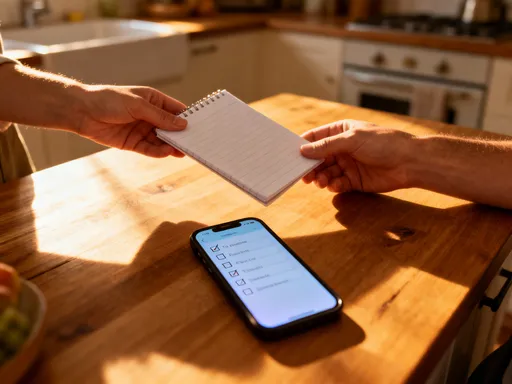
Armed with my new tracker and a full list, I sat down one Sunday morning with a notebook and started reviewing each subscription, one by one. My rule was simple: if I hadn’t used it in the past 30 days—or if I couldn’t clearly say how it improved my life—I considered canceling it. I wasn’t looking to punish myself or live with less. I just wanted to keep what truly mattered.
Some decisions were easy. That unused language app? Gone. The duplicate photo editor? Canceled without hesitation. But others made me pause. Like the meditation app I only used twice a month. I thought, What if I need it later? Or the meal-planning service that sent great recipes but that I never actually cooked. I almost kept it, telling myself, "Maybe next month will be different." But then I asked a better question: Does this serve me now? And the answer was no. So I canceled it too.
Here’s what helped: I didn’t make these decisions in a rush. I gave myself permission to think, to reflect, to be kind. I didn’t label myself as “bad” for keeping things I didn’t use. Instead, I celebrated the fact that I was now making conscious choices. I kept the streaming service I watched every weekend with my family. I kept the cloud storage that held precious photos of my kids. I kept the language app I actually used every morning during my commute. These brought real value. The rest? They were just noise.
And you know what? Canceling wasn’t hard. Most services had a simple online process—just a few clicks in the app or website settings. Some even thanked me for being a customer. It felt surprisingly freeing, like clearing out a closet full of clothes I never wore. I wasn’t losing anything. I was making space—for peace, for clarity, for better choices.
The Ripple Effect: More Than Just Money Saved
The first thing I noticed after canceling 23 subscriptions? My bank balance looked better. That $400-a-year savings wasn’t just a number on paper—it meant real breathing room in my monthly budget. I redirected some of it to a family outing, put some into savings, and even treated myself to a nice dinner without guilt. But the money was only part of the story.
Something deeper shifted. My phone felt lighter. I wasn’t bombarded with notifications from apps I didn’t care about. I stopped feeling that little twinge of guilt every time I opened an app I was paying for but never used. There was less mental clutter. I made decisions more easily—not just about money, but about time, energy, and priorities. I started asking myself the same question in other areas: Does this serve me? It changed how I shopped, how I signed up for things, even how I spent my time.
This wasn’t just about budgeting. It was about self-respect. It was about honoring my time and my resources. By letting go of what I didn’t need, I made room for what I did—whether that was more presence with my family, more rest, or more freedom to enjoy the things I truly loved. I felt calmer, more in control, more like myself. That’s the real win. It’s not about being perfect. It’s about being intentional. And that kind of clarity? That’s priceless.
Building a Habit: How to Stay on Top Without the Stress
One cleanup session was great, but I knew I couldn’t rely on willpower alone. Life gets busy. New subscriptions sneak in. Free trials end. So I built a tiny habit to keep it all under control. I set a monthly reminder on my phone—just 15 minutes, the second Sunday of every month. During that time, I open my subscription tracker, scan the list, and check for upcoming renewals.
The tool helps a lot. It sends me alerts a few days before a subscription renews, so I can decide then and there whether to keep it. Sometimes I do—like when I find a new fitness class app that I’ve been using daily. Other times, I cancel on the spot. The key is consistency. Just 15 minutes a month keeps me from falling back into the same trap. It’s like brushing your teeth—small, routine, and effective.
I also made a rule for myself: no free trials unless I set a calendar reminder to cancel before the trial ends. That one simple step has saved me so much stress. And when I do sign up for something new, I ask myself: Is this solving a real need? Will I use it regularly? Is it worth the cost? These questions keep me grounded. Over time, this practice has become second nature. I don’t feel deprived. I feel empowered. I’m not fighting against my habits—I’m working with them, gently guiding them toward what truly matters.
A Lighter Life: Why Letting Go of Subscriptions Feels Like Freedom
Looking back, that quiet Thursday night was a turning point—not because I saved money, but because I reclaimed my attention. I stopped letting small, forgotten charges drain my finances and my peace. I learned that technology doesn’t have to complicate life. Used wisely, it can simplify it. That subscription tracker didn’t just help me cut costs. It helped me see my habits, make better choices, and live with more intention.
What I gained wasn’t just $400 a year. I gained time. I gained mental space. I gained the freedom to say yes to what really matters—whether that’s a weekend getaway, a new hobby, or just the quiet joy of knowing I’m in control. This journey wasn’t about deprivation. It was about alignment. It was about making sure my spending, my time, and my digital life reflect who I am and what I value.
If you’re reading this and thinking, "I should probably check my subscriptions," I get it. It can feel overwhelming. But you don’t have to do it all at once. Start small. Spend 20 minutes this week looking at your bank statement. Or download a trusted subscription tracker and let it do the work. You don’t need to be perfect. You just need to begin. Because every step you take toward clarity is a step toward freedom. And that? That’s worth every minute.