More than just talking: How tech helped us reconnect during her menopause journey
Menopause doesn’t just affect one person—it shifts the rhythm of a whole relationship. I noticed my partner withdrawing, not because she didn’t care, but because she was overwhelmed. Sleepless nights, mood shifts, and unspoken frustrations built a quiet distance between us. That’s when we discovered tools designed not just for her symptoms, but for *our* connection. This isn’t about fixing anyone—it’s about understanding, supporting, and staying close when life changes. We didn’t need grand gestures or dramatic talks. What we needed was a way to stay in tune, even when words felt too heavy to carry. And surprisingly, some of the most ordinary tech became our most meaningful ally.
When Silence Grew Louder Than Words
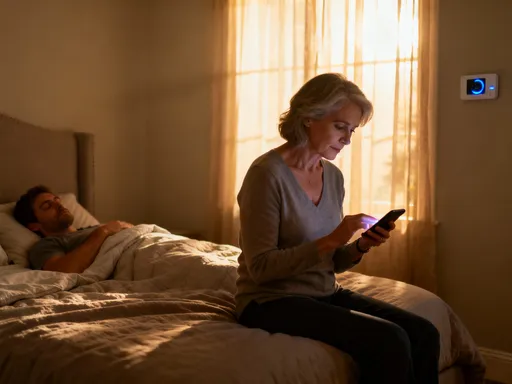
There was a time when our evenings used to flow easily—catching up over tea, laughing about the kids’ latest antics, or just sitting together in comfortable silence. But slowly, that ease began to fade. She’d come home drained, her shoulders tight, her eyes distant. I’d ask, “How was your day?” and get a short, “Fine,” in return. At first, I took it personally. Was I asking too much? Was she pulling away from me? But the truth was, she wasn’t pulling away from me—she was retreating from the storm inside her body.
Menopause brought changes we hadn’t expected—not just hot flashes or trouble sleeping, but emotional waves that were hard to predict. One moment she’d be calm, the next, overwhelmed by a wave of frustration or sadness that she couldn’t explain. And I didn’t know how to respond. I wanted to help, but every attempt felt clumsy. “Have you tried drinking more water?” or “Maybe you should rest,” sounded hollow, even to me. I wasn’t being dismissive on purpose—I just didn’t have the words or the understanding to meet her where she was.
The silence between us wasn’t empty—it was full of unspoken things. Things like, “I’m tired of feeling like I’m failing you.” Or, “I miss us.” We still loved each other deeply, but love wasn’t enough to bridge the growing gap. We needed a new way to communicate, one that didn’t rely on perfect timing or perfect words. We needed something that could help us understand each other, even when we couldn’t say it out loud. That’s when we started looking beyond traditional advice and turned to something we hadn’t considered before: everyday technology.
Discovering Tech That Listens as Much as It Serves
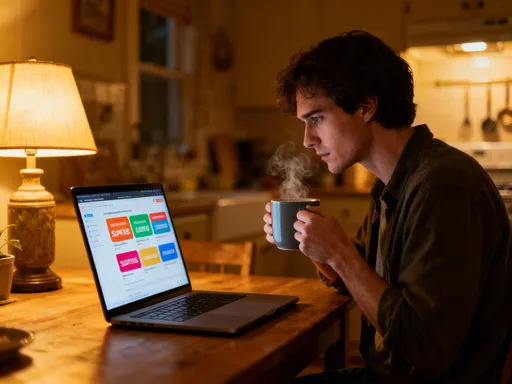
At first, the idea of using tech to navigate menopause felt a little strange. I pictured cold interfaces and endless data points—numbers that meant nothing to our relationship. But what we found was surprisingly human. We started with a simple symptom-tracking app, recommended by a friend who’d gone through early menopause. We downloaded it almost as a last resort, not expecting much. But within days, it began to change how we saw each other’s days.
Instead of guessing why she seemed low on energy or irritable, I could open the app and see a gentle pattern emerging. “Low mood logged,” “trouble sleeping last night,” “fatigue noted.” These weren’t judgments—they were signals. And for the first time, I wasn’t operating in the dark. I could say, “I saw your night was rough—can I take the dog out this morning?” or “Looks like today might be tough—want me to handle dinner?” It wasn’t about fixing her—it was about showing up with awareness.
What surprised me most was how these small moments rebuilt trust. She didn’t feel watched or monitored; she felt seen. And I didn’t feel shut out anymore. The app didn’t replace conversation—it made space for better ones. Instead of starting with “What’s wrong?” we could begin with “I’m here.” Over time, the data didn’t feel clinical—it felt compassionate. The alerts weren’t interruptions; they were reminders to care. Technology, in this quiet way, became a bridge instead of a barrier.
Shared Calendars That Became Compassion Tools
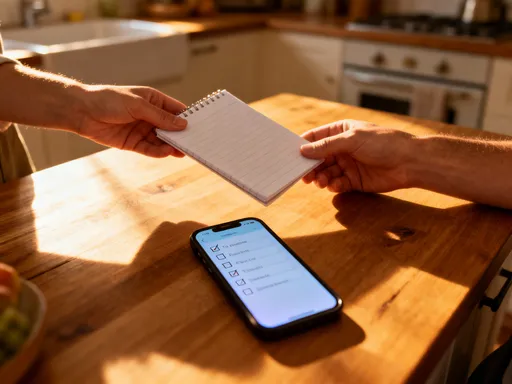
We’ve always used a shared calendar for doctor appointments, school pickups, and grocery runs. But during this time, we started using it in a completely different way. We began adding personal notes—soft flags that weren’t demands, but invitations to empathy. A red dot didn’t mean “angry”—it meant “tough day ahead.” A yellow star said “need space,” not “don’t talk to me.” These small markers transformed how we moved through our days together.
I remember one morning, I woke up and saw a “low energy” tag on her day. Instead of launching into my usual list of questions or suggestions, I quietly made her favorite tea and left it on the counter with a note: “No need to talk. Just wanted you to know I see you.” Later, she told me that simple act meant more than any pep talk. It wasn’t about solving anything—it was about acknowledging her experience without pressure.
The calendar became a safe space for honesty. She didn’t have to perform or explain. If she was having a hard morning, she could mark it, and I’d adjust—taking over chores, handling calls, giving her room to breathe. And when I needed support, I could do the same. It wasn’t about keeping score—it was about creating a rhythm of mutual care. We weren’t just sharing dates and times anymore—we were sharing emotional space. And in a strange way, that little digital calendar became one of the most intimate tools in our relationship.
Voice Notes: The Unexpected Bridge
There were days when talking face-to-face felt too heavy. Emotions ran high, words got tangled, and we’d both end up hurt—never by intention, but by exhaustion. That’s when we discovered the quiet power of voice notes. At first, it felt a little silly—sending little audio clips like teenagers texting. But soon, they became our lifeline.
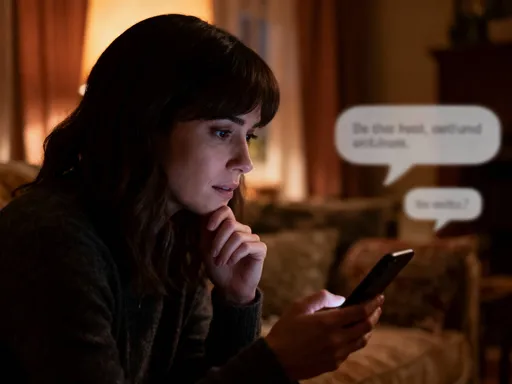
She started it. One night, after a long silence, I got a short voice message: “I’m not upset with you—just really tired. I don’t have the energy to talk, but I didn’t want you to think I was ignoring you.” My throat tightened when I heard it. That small message lifted a weight I hadn’t even realized I was carrying. I replied with a soft, “I hear you,” and added a silly memory from our vacation last year. She laughed—really laughed—for the first time in days.
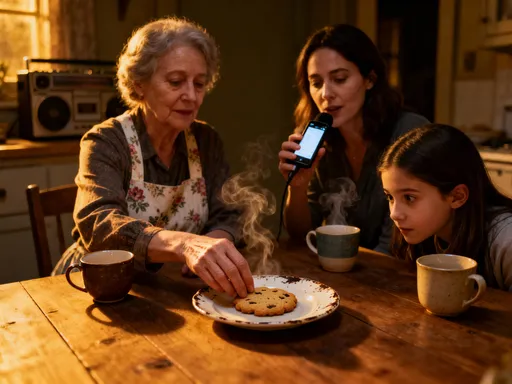
These voice notes didn’t replace deep conversations, but they kept the connection alive. They were raw, unfiltered, and real. Sometimes she’d send one after a hot flash: “Just needed to breathe. I’m okay.” Other times, I’d send a quick “Thinking of you” during her work break. They weren’t long. Most were under a minute. But they carried a weight of presence that texts or emails never could. Technology, in this form, didn’t demand performance. It allowed us to show up as we were—tired, emotional, but still reaching out. And in those small moments, love didn’t feel distant. It felt close, warm, and alive.
Meditation Apps That Strengthened Us Together
I used to think meditation was something you did alone—sitting in silence, eyes closed, trying to quiet your mind. I didn’t think it could be something we did *together*. But when a therapist suggested we try short mindfulness exercises as a couple, we gave it a go. We found an app that offered guided sessions for stress, sleep, and emotional balance—some as short as three minutes. We started with just one a day, usually in the evening.
The first few times felt awkward. We’d lie on the couch, listening to a calm voice guide us through breathing, and one of us would giggle. But over time, it became a ritual. When tensions ran high during the day, we’d say, “Let’s do a reset.” We’d press play, close our eyes, and just breathe. No talking. No fixing. Just being.
What surprised me was how those few minutes changed the tone of our interactions. We stopped reacting so quickly. Instead of snapping back when one of us was stressed, we learned to pause. The app didn’t erase the challenges of menopause, but it gave us a shared language for calm. We began to see our relationship not as two people struggling through change, but as a team learning to adapt. And that shift—from “me and her” to “us”—was everything. The technology didn’t heal her body, but it helped heal our connection.
Smart Home Tweaks That Showed Care Without Words
One of the hardest parts of this journey was not knowing how to help. I wanted to do something—anything—but I didn’t always know what she needed. Was she cold? Too hot? Overstimulated by the light? I didn’t want to ask every five minutes. That’s when we started making small changes to our home using smart devices.
We installed a smart thermostat that learned her temperature patterns. On nights when hot flashes disrupted her sleep, the room would cool down automatically. We set the living room lights to dim at 8 PM, creating a softer, calmer atmosphere. Even our speaker learned to play her favorite relaxing playlist when she walked in the door after work. These weren’t flashy upgrades—they were quiet acts of care.
What made them powerful was that they required no words. I didn’t have to say, “Are you feeling hot?” The house already responded. She didn’t have to ask for quiet—the environment provided it. These small automations became a form of love language: “I see you. I know this is hard. I’ve got you.” It wasn’t about having the latest gadgets—it was about using what we had to create a space where she felt safe, supported, and understood. And in those moments, technology didn’t feel cold or distant. It felt like home.
How We Rebuilt Connection—One Small Tech Step at a Time
We didn’t fix anything overnight. There were still hard days. Moments of frustration. Times when we both felt like giving up. But slowly, something shifted. We weren’t just surviving this phase—we were growing through it. And the tools we used weren’t magic solutions. They were helpers. Quiet companions that gave us a little more clarity, a little more patience, and a lot more compassion.
The real change wasn’t in the apps or devices—it was in how we began to see each other. We stopped seeing menopause as a problem she had to manage alone. We started seeing it as a chapter we were navigating together. The symptom tracker didn’t just record data—it taught me empathy. The shared calendar didn’t just organize our days—it taught us to honor each other’s limits. The voice notes didn’t just send messages—they kept love alive in the quietest moments.
Technology, when used with intention, didn’t replace human connection—it deepened it. It didn’t solve every challenge, but it gave us better ways to face them. And most importantly, it reminded us that we weren’t alone. Not in the struggle, not in the silence, not in the uncertainty. We had each other. And with a little help from the right tools, we learned to speak a new language—one built on patience, presence, and quiet understanding.
Menopause changed our relationship. But it didn’t break it. In fact, in some ways, it made it stronger. We listen more now. We assume less. We care in ways that are quieter, but deeper. And if you’re walking through something similar, know this: you don’t need a perfect solution. You don’t need to have all the answers. Sometimes, all it takes is one small step—a shared calendar note, a voice message, a five-minute meditation—to remind each other that you’re still here. That you still see each other. That you still care.
And in the end, that’s what matters most. Not the absence of struggle, but the presence of love. Not the perfect words, but the willingness to keep trying. Technology didn’t save our relationship. We did. But it helped us find our way back—softly, gently, and together.