What if tracking your spending could finally make it stop stressing you out?
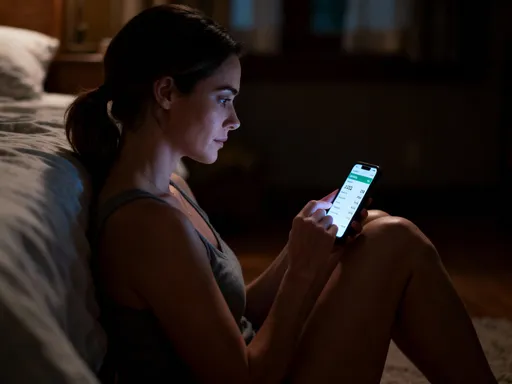
Ever lie awake wondering where your paycheck disappeared? You’re not alone. Money worries creep into everyday life—grocery runs, coffee breaks, even quiet weekends. But what if a simple app could turn that stress into control? Not perfection, just progress. I tried letting technology quietly watch my spending, and the shift wasn’t just in my bank account—it was in my peace of mind. Let’s talk about how one small habit might just give you back something priceless: calm.
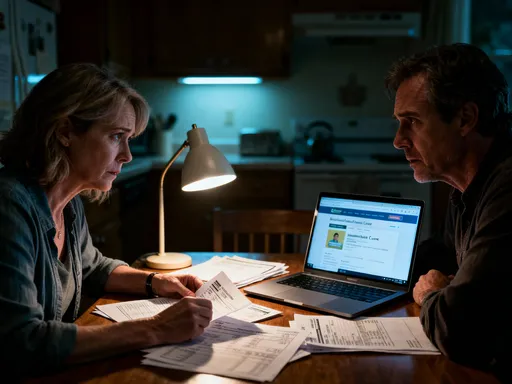
The Quiet Anxiety of Living Paycheck to Paycheck
There’s a kind of stress that doesn’t scream—it whispers. It’s not a crisis, not debt collectors or bounced checks, but something quieter and more constant: the nagging feeling that you’re one surprise away from being overwhelmed. You work hard. You pay your bills. And still, by the third week of the month, you’re squinting at your bank balance, asking yourself, “Where did it all go?” That question used to follow me like a shadow. I’d stand in the grocery store, hand hovering over a carton of organic eggs, not because I couldn’t afford them, but because I didn’t know what else I’d already spent that week. Was this the moment I’d finally tip over?
That low hum of uncertainty wore me down. It wasn’t just about money—it was about trust. I didn’t trust my own choices. I didn’t trust my judgment. Every small purchase came with a side of guilt: Was this necessary? Could I have waited? Did I already buy something like this last month? And because I never had a clear picture, every decision felt heavier than it needed to be. I’d cancel plans with a friend because I thought I couldn’t afford dinner out, only to spend the same amount online that night on something I didn’t really want. The irony wasn’t lost on me, but I didn’t know how to stop the cycle.
What made it worse was how isolated it felt. I’d see other moms at school drop $7 on lattes without blinking, or post about weekend getaways, and wonder: Do they have more? Or do they just handle money better? I didn’t want to judge—I just wanted to feel as calm as they seemed. But asking for help felt awkward. Talking about money is still one of those taboo subjects, especially among women who’ve been taught to stay quiet about it. So I stayed silent, carrying the weight alone, thinking maybe I was just bad with money. But deep down, I knew it wasn’t about being bad—it was about being blind. I couldn’t manage what I couldn’t see.
How I Accidentally Found Clarity with One App
Here’s the funny thing: I didn’t download the app to fix my life. I didn’t even download it because I was serious about budgeting. I was scrolling through the app store one night, avoiding folding laundry, and saw a little ad—something about “knowing where your money goes.” I clicked out of curiosity, not commitment. I thought, How hard could it be? I signed up, linked my bank account, and forgot about it for two days.
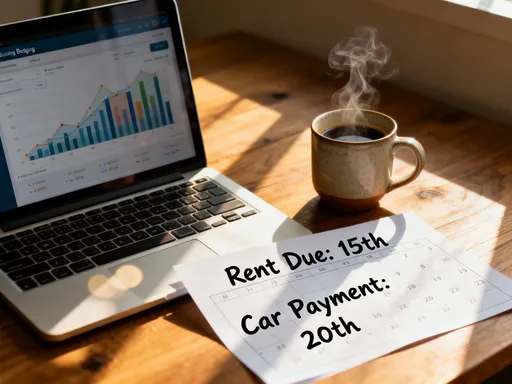
Then, during a rare quiet moment with my morning coffee, I opened it again. And there it was: every transaction from the past week, neatly lined up. My gas fill-up. The school fundraiser donation. The three times I’d ordered takeout because dinner prep felt impossible after back-to-back Zoom meetings. And the subscription I’d forgotten about—$12.99 a month for a meditation app I hadn’t opened in months. I didn’t feel angry. I didn’t feel ashamed. I felt… seen. Like someone had finally turned on a light in a room I’d been stumbling through in the dark.
The first week was messy. I forgot to log a few things. The app duplicated a grocery receipt. I argued with it in my head: “That was a gift! Why is it under ‘clothing’?” But even with the hiccups, something shifted. For the first time, I wasn’t guessing. I wasn’t estimating. I could see it. And that changed everything. It wasn’t about judgment—it was about awareness. I started noticing patterns. Like how I always spent more on food when I skipped meal prep. Or how a tough day at work often ended with an online shopping tab open. The app didn’t fix those things, but it showed me where to look. And that made me feel, for the first time in a long time, like I wasn’t powerless.
Why Solo Tracking Works Differently Than Budgeting with Others
I’ve tried budgeting with my partner before. And while he’s supportive, those conversations always felt tense. We’d sit down with spreadsheets, and within minutes, it would turn into a negotiation: “You spent how much on tools again?” “Well, you bought four books this month!” It wasn’t about blame, exactly, but it felt heavy. We were trying to manage money as a team, but without full visibility, it became a game of assumptions and defenses. And honestly? I didn’t want to explain why I bought that cozy sweater or why I needed a new journal. Some spending feels personal. It’s not about luxury—it’s about comfort, or small acts of care in a busy life.
What surprised me was how different it felt to track my spending alone. When it was just me and the app, there was no audience, no performance. I could see that I’d spent $40 on snacks during a particularly stressful week and instead of feeling guilty, I could ask myself: What was going on? Was I tired? Overwhelmed? Did I need a break? The app didn’t shame me. It just showed me the data. And that made space for honesty. I didn’t have to defend or justify. I could just notice.
That freedom changed how I related to my choices. I started seeing spending not as good or bad, but as information. That $15 lunch wasn’t a failure—it was a sign that I hadn’t packed food that day, probably because I was rushing. The late-night Amazon order? A signal that I was lonely or bored, not that I was irresponsible. When I tracked alone, I wasn’t trying to meet someone else’s standard. I was learning my own rhythm. And that made accountability feel gentle, not punishing. It wasn’t about being perfect. It was about being present.
The Little Things That Made a Big Difference
I’ll admit, I didn’t think a few digital features could change how I felt about money. But the truth is, it wasn’t the technology itself—it was how it was designed to meet me where I was. One of the first things that caught my attention was the automatic categorization. I didn’t have to sort anything. The app just knew that my coffee shop stop was “dining out” and my pharmacy run was “health.” At first, I was skeptical. But then I saw the monthly summary: $187 on takeout. That number hit me. Not because it was huge, but because it was real. I hadn’t realized how often I was ordering in. And once I saw it, I didn’t need a rule to change. I just started thinking, Do I really want this, or am I just tired?
Another game-changer? The subscription tracker. I’d always thought I was careful about free trials, but the app showed me I had four active ones I wasn’t using—two streaming services, a meal kit I’d tried once, and that meditation app. Together, they were costing me nearly $50 a month. I canceled three in five minutes. It wasn’t painful. It just felt like cleaning out a drawer I’d forgotten was full.
And then there were the little nudges—the push notifications that popped up when I was about to exceed my weekly dining budget. Not scolding, not dramatic. Just a soft reminder: “You’ve spent $75 on restaurants this week. Keep going?” It gave me a pause. A breath. A chance to decide instead of react. I didn’t always say no to the takeout, but I started saying yes more intentionally. Those small interventions didn’t control me. They empowered me. They turned spending from a series of impulses into a practice of awareness.
It’s Not About Cutting Out Joy—It’s About Choosing It
Let’s be honest: the word “budgeting” can feel like a death sentence for fun. I used to think tracking spending meant cutting out everything I loved—no more coffee runs, no surprise bookstore trips, no little gifts for myself. So I tried that. For two weeks, I white-knuckled my way through, skipping lattes, packing sad-looking salads, and saying no to everything. And then, one evening, I spent $120 online—random things I didn’t need, just because I felt deprived. I didn’t feel proud. I felt defeated.
That’s when I realized: restriction doesn’t work. But intention does. The app didn’t ask me to give up joy. It asked me to choose it. So I started using it differently. Instead of tracking what I shouldn’t spend, I began planning what I wanted to spend on. I set a small monthly “joy fund”—$50 just for little things that made me happy. A book. A bath set. A fancy candle. And when I saw that concert I wanted to go to, I didn’t panic. I opened the app and created a savings goal. $15 a week, and I’d be there in two months. I even got my daughter a ticket too. That shared experience? Priceless. And the best part? I didn’t feel guilty. I felt proud. Because I hadn’t splurged—I’d planned. The app didn’t take joy away. It helped me design it.
This shift changed how I saw money. It wasn’t the enemy. It was a tool. And when I stopped fighting it, I found more room for what mattered. I could say yes to things that brought me peace, not because I was reckless, but because I was aware. Clarity didn’t shrink my life—it expanded it. I wasn’t counting every penny to survive. I was making space for what made me feel alive.
Building a Habit That Feels Kind, Not Punishing
Here’s what I’ve learned: if a habit doesn’t feel good, it won’t last. I tried tracking in spreadsheets before—color-coded rows, formulas, the works. It felt like homework. And within a week, I was done. But the app? I still use it, months later. Why? Because I made it part of my self-care, not my to-do list. Every night, after the kids are in bed, I pour a cup of chamomile tea, open the app, and spend five minutes reviewing the day. Not with a red pen. Not with judgment. Just curiosity. “Huh. I spent more on groceries. Was it the holiday?” “I skipped coffee today—feeling better?”
I also customized it to fit my life. I created categories like “comfort spending” for those small buys after a hard day, and “recharge” for things like a massage or a solo lunch. That way, I’m not lying to myself, but I’m also not shaming myself. I know those moments matter. I also turned off the alerts that felt harsh—like “You’re over budget!”—and switched to gentler ones: “Just checking in on your dining this week.” It sounds small, but it changed the tone. The app stopped feeling like a boss and started feeling like a friend.
And because I do it consistently, it’s become automatic. I don’t dread it. I look forward to it. It’s my moment to check in with myself, not just my bank account. It’s become less about tracking and more about understanding. And that’s the kind of habit that sticks—not because I have to, but because it helps me feel more like myself.
More Than Numbers: What I Gained Was Confidence
If I told you this app saved me thousands, that wouldn’t be true. If I said I’m debt-free or rich, that wouldn’t be honest either. What actually happened was quieter, but deeper: I stopped feeling afraid. I stopped lying awake. I stopped questioning whether I could handle my own life. The numbers helped, yes—but the real shift was inside me. I began to trust myself again. I could look at a bill and know where it fit. I could say no without panic. I could say yes without guilt.
That confidence spilled into other areas. I started having honest conversations with my family about money—not with fear, but with clarity. I planned a small vacation without dread. I even began setting bigger goals, like saving for a kitchen renovation, because I finally believed I could get there. The app didn’t make me rich. It made me capable.
And that’s the thing about technology when it’s done right—it doesn’t replace us. It supports us. It doesn’t demand perfection. It meets us with compassion and quietly helps us grow. Tracking my spending didn’t just change my finances. It changed how I see myself. I’m not someone who’s bad with money. I’m someone who’s learning, who’s trying, who’s paying attention. And sometimes, that’s enough. So if you’re lying awake tonight, wondering where your paycheck went, know this: you’re not broken. You’re just waiting for the right tool—one that doesn’t judge, but understands. And when you find it, you might not just get your money back. You might just get your calm back too.