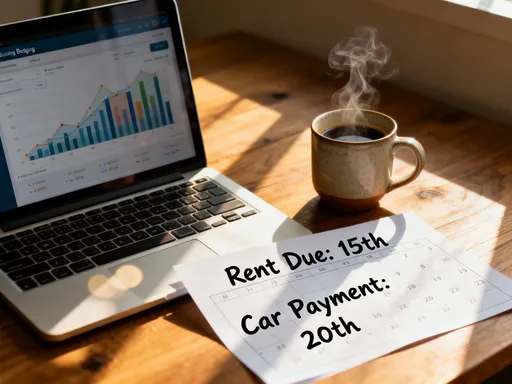
How I Tamed My Installment Chaos with Smarter Financial Tools
Ever felt overwhelmed by monthly installment payments piling up? I’ve been there—juggling due dates, stressing over cash flow, and watching interest quietly eat away at my budget. It wasn’t until I started using the right financial tools that I regained control. In this article, I’ll walk you through the practical strategies that helped me simplify payments, reduce financial pressure, and avoid common traps—without relying on complex jargon or risky shortcuts. What began as a personal journey to stop living paycheck to paycheck turned into a sustainable system that brought peace of mind, better credit, and more breathing room in my monthly budget. The good news? You don’t need a finance degree or a six-figure income to make it work. With consistent habits and the right tools, anyone can turn installment chaos into financial clarity.
The Installment Trap: Why It’s Easier to Fall Behind Than You Think
At first glance, installment plans seem like a responsible way to manage large purchases. Spreading a $1,200 expense into twelve $100 monthly payments feels manageable, even comfortable. But what many people fail to see is how these small commitments multiply when layered across credit cards, retail financing, car loans, and utility bills. The real danger isn’t any single installment—it’s the cumulative effect of multiple, uncoordinated payments quietly eroding financial stability. Without a clear overview, it’s easy to lose track, especially when due dates are scattered across different weeks of the month. This lack of visibility often leads to missed payments, late fees, and a slow but steady decline in credit health.
The psychology behind installment spending plays a major role in this cycle. The promise of “buy now, pay later” taps into our natural desire for instant gratification while minimizing the emotional pain of spending. When the full cost is hidden behind manageable monthly figures, it becomes easier to justify purchases that don’t align with long-term financial goals. Over time, this mindset can weaken spending discipline, leading individuals to treat installment plans as a substitute for budgeting rather than a temporary tool. A $300 pair of shoes feels less significant when broken into four $75 payments, but the total cost remains the same—and when combined with other similar purchases, the burden grows fast.
Real-life examples illustrate how quickly this trap can close in. Consider a household managing a furniture loan, a phone financing plan, a medical bill in installments, and a retail credit card with recurring payments. If none of these due dates align with the family’s biweekly income, cash flow gaps become inevitable. Even with sufficient income over the month, timing mismatches can lead to overdraft fees or reliance on high-interest credit to cover shortfalls. These small financial setbacks accumulate, creating stress and reducing the ability to save or invest. The key insight is that installment plans are not inherently risky, but they require proactive management to avoid unintended consequences.
Recognizing this risk is the first step toward regaining control. Awareness allows individuals to shift from reactive payment behavior to intentional financial planning. Instead of viewing each installment in isolation, it becomes essential to see them as part of a larger financial ecosystem. This holistic perspective enables smarter decisions about when to use financing, how much to commit, and how to structure payments for long-term sustainability. Without this shift, even well-meaning installment use can lead to a cycle of stress and missed opportunities.
Choosing the Right Financial Tools: Not All Apps Are Created Equal
With hundreds of financial apps available, selecting the right ones can feel overwhelming. Many promise to simplify money management, but not all deliver meaningful value for installment tracking. The most effective tools go beyond basic budgeting—they offer features specifically designed to monitor recurring payments, anticipate cash flow challenges, and prevent missed deadlines. Automated trackers, for example, sync directly with bank accounts and credit cards to pull in transaction data in real time. This level of integration allows users to see every installment obligation in one place, eliminating the need to manually log payments or rely on memory. When tools update automatically, they reduce errors and provide a more accurate picture of financial commitments.
Among the most useful categories are calendar-based planners that integrate payment due dates with personal schedules. These tools send timely reminders, ensuring that installments don’t slip through the cracks. Some even allow users to color-code payments by category—such as housing, utilities, or retail financing—making it easier to spot spending patterns. For those managing multiple debts, debt-snowball assistants can be particularly helpful. These tools prioritize payments based on balance or interest rate, helping users systematically reduce what they owe. While not all installment plans carry high interest, the psychological benefit of paying off smaller balances first can build momentum and motivation.
One of the most powerful features in modern financial tools is the ability to categorize spending automatically. When every installment payment is tagged correctly—whether it’s a gym membership, a medical device loan, or an online shopping plan—users gain insight into where their money is going. This visibility makes it easier to identify areas of overspending and adjust behavior accordingly. For example, someone might realize they have three separate subscription-based installments for entertainment services, totaling more than they expected. With this knowledge, they can make informed choices about which services to keep and which to cancel.
Equally important is cross-device syncing. Life happens on the go, and financial tools must keep up. Whether checking a balance on a smartphone during a grocery run or reviewing upcoming payments on a tablet at home, seamless access ensures that users stay informed and in control. Tools that offer offline functionality or push notifications about low balances add another layer of protection. The best apps don’t just record data—they anticipate problems and alert users before issues arise. This proactive approach transforms financial management from a reactive chore into a strategic advantage.
Syncing Payments with Cash Flow: Timing Is Everything
One of the most overlooked aspects of installment management is timing. Many people accept due dates as fixed, but in reality, most lenders allow some flexibility in scheduling payments. Aligning installment due dates with income cycles can dramatically improve cash flow and reduce financial stress. For example, if a household receives income on the first and fifteenth of each month, it makes sense to cluster major payments just after those dates. This ensures that funds are available when needed and minimizes the risk of overdrawing accounts. Spreading payments evenly across the month may seem balanced, but if income arrives in chunks, this approach can leave gaps that lead to short-term borrowing or late fees.
Shifting due dates is often simpler than people assume. Many credit card issuers, loan providers, and utility companies allow customers to request a change in their billing cycle. While not all institutions offer this option, a surprising number do—especially when the request is tied to financial stability rather than convenience. A brief call or online message can initiate the process, and once approved, the new schedule can bring immediate relief. Even adjusting one or two key payments can create a noticeable difference in monthly breathing room. For instance, moving a $200 car payment from the 10th to the 2nd of the month ensures it’s covered by the first paycheck rather than straddling two income periods.
The benefits of optimized timing extend beyond avoiding overdrafts. When payments are clustered shortly after income arrives, there’s less mental load associated with money management. Instead of constantly calculating whether there’s enough in the account, users can operate with greater confidence. This sense of control reduces anxiety and supports better decision-making throughout the month. It also creates a natural rhythm—pay bills early, track spending in the middle, and focus on saving toward the end. This structure turns financial management into a predictable routine rather than a source of constant stress.
Visual comparisons highlight the difference between chaotic and optimized schedules. A disorganized payment calendar might show obligations on the 3rd, 8th, 14th, 19th, 25th, and 30th—scattered and unpredictable. In contrast, a streamlined version groups most payments between the 1st–5th and 15th–20th, aligning with income. The latter may look busier at first glance, but it reflects a more sustainable flow. Tools that display payments on a timeline or heat map make these patterns easy to recognize and adjust. Over time, this level of organization becomes second nature, supporting long-term financial health.
Building a Buffer: Why a Small Safety Net Prevents Big Problems
No matter how well a payment plan is structured, unexpected expenses will arise. A car repair, a medical co-pay, or a home maintenance issue can disrupt even the most careful budget. This is where a small emergency buffer becomes essential. Unlike long-term savings or retirement funds, this buffer serves a specific purpose: protecting installment commitments from short-term shocks. Setting aside just $50 to $100 per month can build a cushion that prevents late fees, credit damage, and the need to take on additional debt when surprises occur. The goal isn’t to save thousands overnight, but to create a modest safety net that absorbs minor setbacks without derailing progress.
The psychological benefit of having a buffer cannot be overstated. Knowing there’s a reserve for emergencies reduces anxiety and supports more confident financial decisions. Instead of panicking when an unexpected bill arrives, individuals can draw from the buffer and replenish it over time. This approach prevents the cascade effect—where one missed payment leads to fees, which lead to further strain, which leads to more missed payments. By breaking this cycle early, the buffer acts as both a financial and emotional stabilizer. It’s not a solution to overspending, but a safeguard against life’s unpredictability.
Financial tools can play a key role in building and maintaining this buffer. Some apps allow users to create dedicated savings goals with automatic transfers. For example, setting up a $75 monthly transfer to a “Payment Protection Fund” ensures consistent growth without requiring constant attention. Others offer round-up features, where spare change from daily purchases is saved toward the buffer. These small, automated contributions add up over time and reduce the burden of manual saving. The key is consistency—making the buffer a non-negotiable part of the budget, just like any other essential expense.
It’s also important to define clear rules for using the buffer. It should be reserved for true emergencies—unexpected expenses that threaten installment payments—not for discretionary spending. When used appropriately, it preserves credit health and maintains momentum toward financial goals. Once used, the priority should be to refill it as soon as possible. This disciplined approach reinforces responsible habits and strengthens long-term resilience. Over time, the presence of a buffer transforms financial management from a fragile system into a durable one.
Avoiding the Debt Spiral: When Installments Mask Overspending
One of the most dangerous aspects of installment plans is their ability to make unaffordable purchases feel manageable. When a $500 gadget is broken into five $100 payments, it’s easy to overlook the total cost and the long-term impact on the budget. This illusion of affordability can lead to repeated use of financing for non-essential items, gradually increasing financial risk. The real cost isn’t just the principal—it’s the opportunity cost of money tied up in payments that could have gone toward savings, investments, or debt reduction. Over time, this pattern creates a debt spiral, where new installments are needed to cover old ones, and financial flexibility erodes.
Warning signs of this spiral include relying on installment plans for everyday purchases, using one credit line to pay off another, or consistently carrying balances without a clear payoff timeline. These behaviors indicate a shift from strategic financing to habitual borrowing. Financial tools can help identify these patterns by tracking total installment commitments across all accounts. When users see a complete picture—such as $800 in monthly installment obligations on a $3,000 income—they gain clarity about their true financial position. This awareness is the first step toward change.
Setting personalized spending alerts is another effective strategy. Many apps allow users to define thresholds—for example, a notification when installment spending exceeds 20% of monthly income. These alerts serve as early warnings, prompting reflection before another commitment is made. They encourage mindful consumption, where purchases are evaluated not just by monthly cost, but by long-term impact. This shift in mindset moves individuals from passive spending to active decision-making.
The goal is not to eliminate installment plans, but to use them intentionally. Financing can be a valuable tool when applied to necessary or high-value purchases, such as medical equipment, essential home repairs, or reliable transportation. The problem arises when it’s used for convenience or impulse buys. By reserving installments for justified needs and pairing them with a clear repayment plan, individuals can avoid the debt spiral and maintain control over their financial future.
Automate to Liberate: Letting Technology Handle the Heavy Lifting
Manual tracking of payments is not only time-consuming but also prone to human error. Forgetting a due date, miscalculating a balance, or delaying a transfer can all lead to avoidable fees and stress. Automation offers a solution by reducing the mental load of financial management. Setting up automatic payments ensures that installments are made on time, every time, without requiring daily attention. When paired with automatic transfers to savings or buffers, this system creates a self-sustaining financial rhythm. The result is not just efficiency, but peace of mind.
However, automation must be used wisely. Too little, and mistakes occur. Too much, and there’s a risk of overspending without awareness. The key is balance—automating essential, predictable payments while maintaining oversight of variable expenses. For example, housing, utilities, and fixed loan payments are ideal candidates for automation. Discretionary spending, on the other hand, should remain under manual control to support mindful consumption. Smart notifications can bridge the gap, alerting users when balances are low or when a large payment is approaching.
Some financial tools go further by automating savings based on spending patterns. If a user consistently spends less on groceries in a given month, the app can automatically transfer the surplus to a buffer or emergency fund. This passive approach to saving builds discipline without requiring willpower. Over time, these small, consistent actions compound into meaningful financial progress. Automation doesn’t replace responsibility—it enhances it by removing friction and supporting better habits.
The ultimate benefit of automation is liberation. When the basics are handled automatically, individuals can focus on higher-level financial goals, such as planning for a home, saving for education, or investing for the future. Technology becomes an ally, not a crutch, enabling more strategic and confident decision-making. This shift from constant monitoring to trusted systems marks a significant step toward financial empowerment.
Long-Term Mindset: From Payment Management to Financial Confidence
Managing installments is not just about staying current on bills—it’s a foundation for broader financial health. Each payment becomes an opportunity to reinforce discipline, build awareness, and strengthen decision-making. Over time, consistent use of financial tools transforms reactive stress into proactive planning. What once felt like a monthly scramble becomes a predictable, manageable process. This shift doesn’t happen overnight, but through small, repeated actions that build confidence and competence.
The long-term mindset views financial management as a skill, not a burden. Just as regular exercise strengthens the body, regular financial habits strengthen resilience. Tracking payments, adjusting dates, building buffers, and using automation are all practices that compound over time. They lead to better credit scores, reduced stress, and increased freedom to pursue personal goals. More importantly, they foster a sense of control—a feeling that one’s financial life is not dictated by circumstances, but shaped by choices.
Readers are encouraged to see each installment not as a debt to dread, but as a checkpoint for reviewing progress. Is the payment aligned with income? Is it part of a larger plan? Does it reflect mindful spending? These questions turn routine transactions into moments of reflection and growth. Over time, this awareness extends beyond installments to encompass all aspects of financial life. Budgeting, saving, and investing become natural extensions of the same disciplined approach.
Financial confidence is not the result of wealth, but of consistency. It comes from knowing that systems are in place, tools are working, and progress is being made. For anyone feeling overwhelmed by installment chaos, the path forward is not drastic change, but steady improvement. By adopting practical strategies and leveraging reliable tools, it’s possible to move from survival to stability—and from stress to confidence.